Showing all 7 results
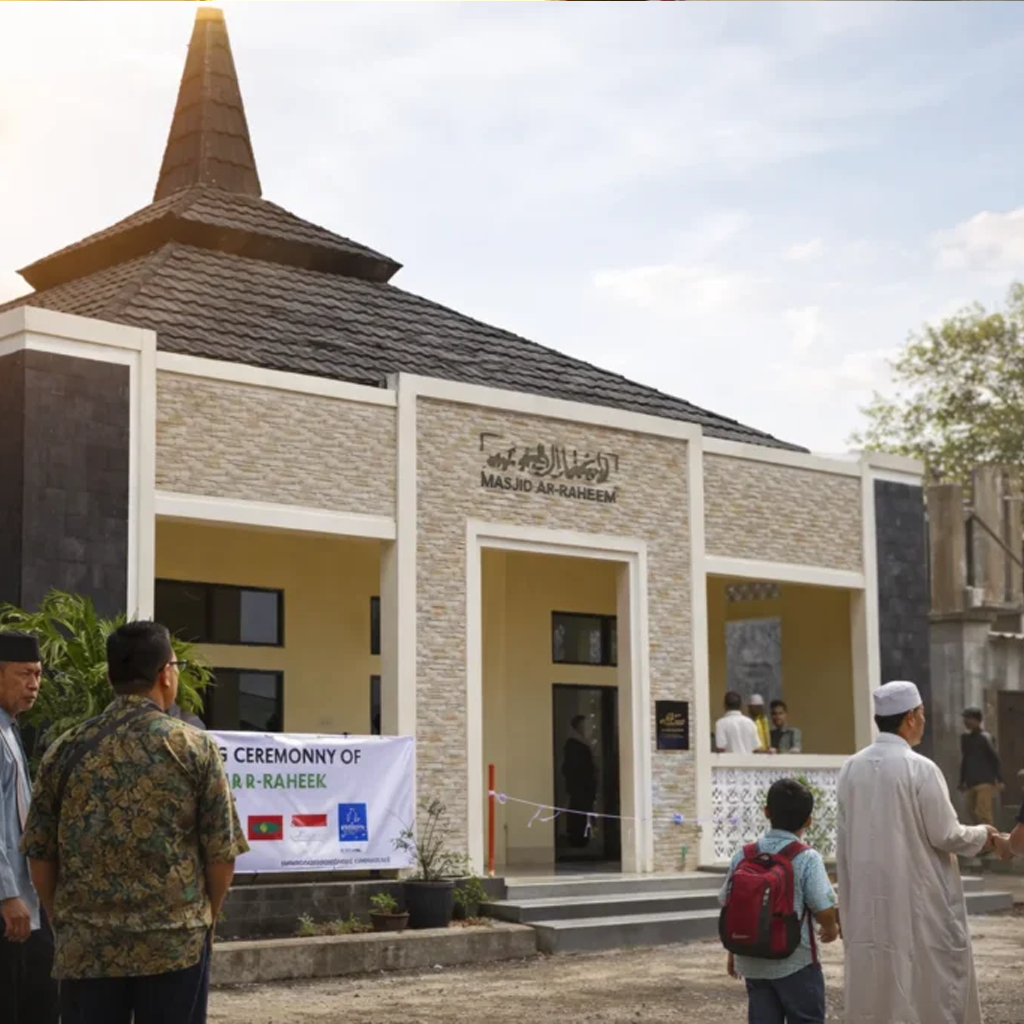
Indonesia is home to the world's largest Muslim population, resulting in a significant demand for masjids as places of worship. However, despite the high number of Muslims in the country, many masjids, particularly in rural and remote areas, are found to be in a state of disrepair. Many of these masjids are constructed from wood and have deteriorated over time, rendering them precarious and in need of attention. Therefore, there is a need for renovation and construction of masjids in these areas to provide safe and dignified places of worship for the Muslim community.
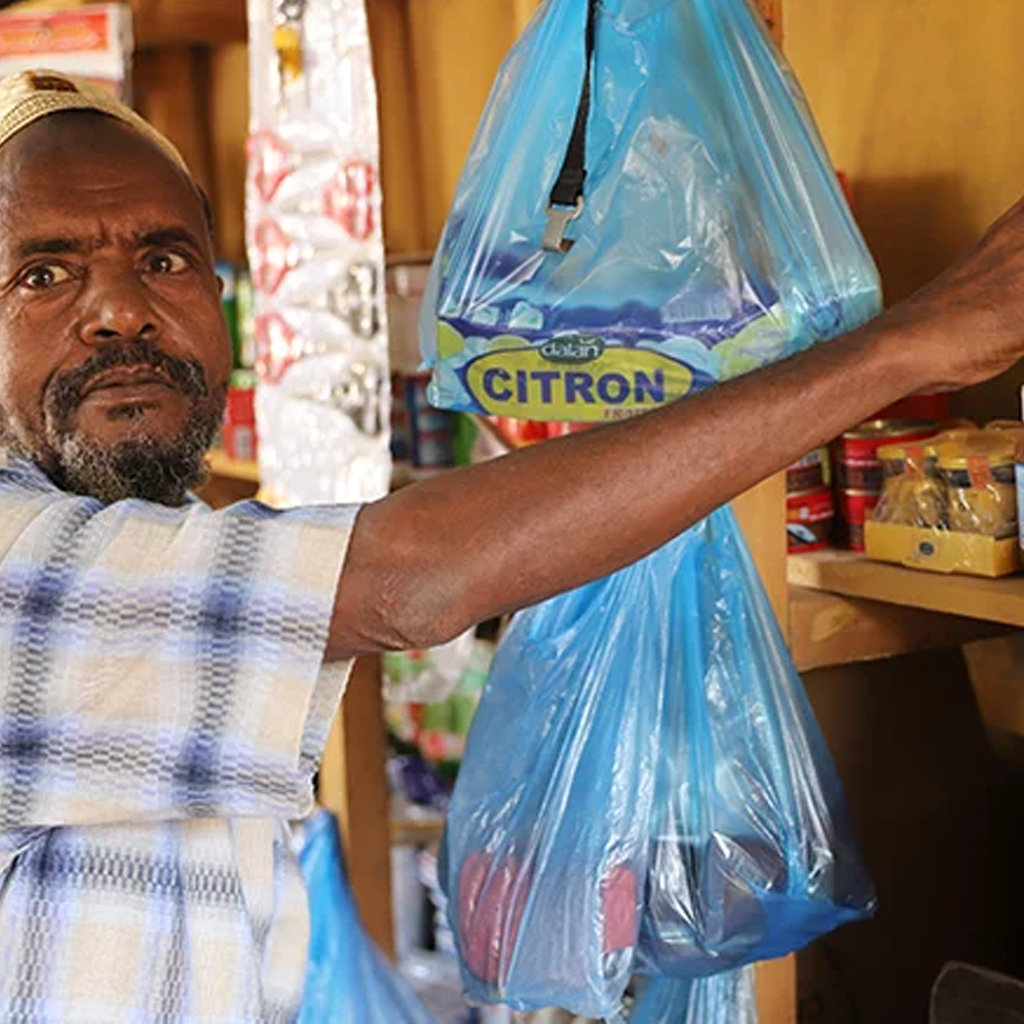
Our economic empowerment projects aim to support poor families by providing sustainable opportunities that help them become self-reliant and improve their living conditions.
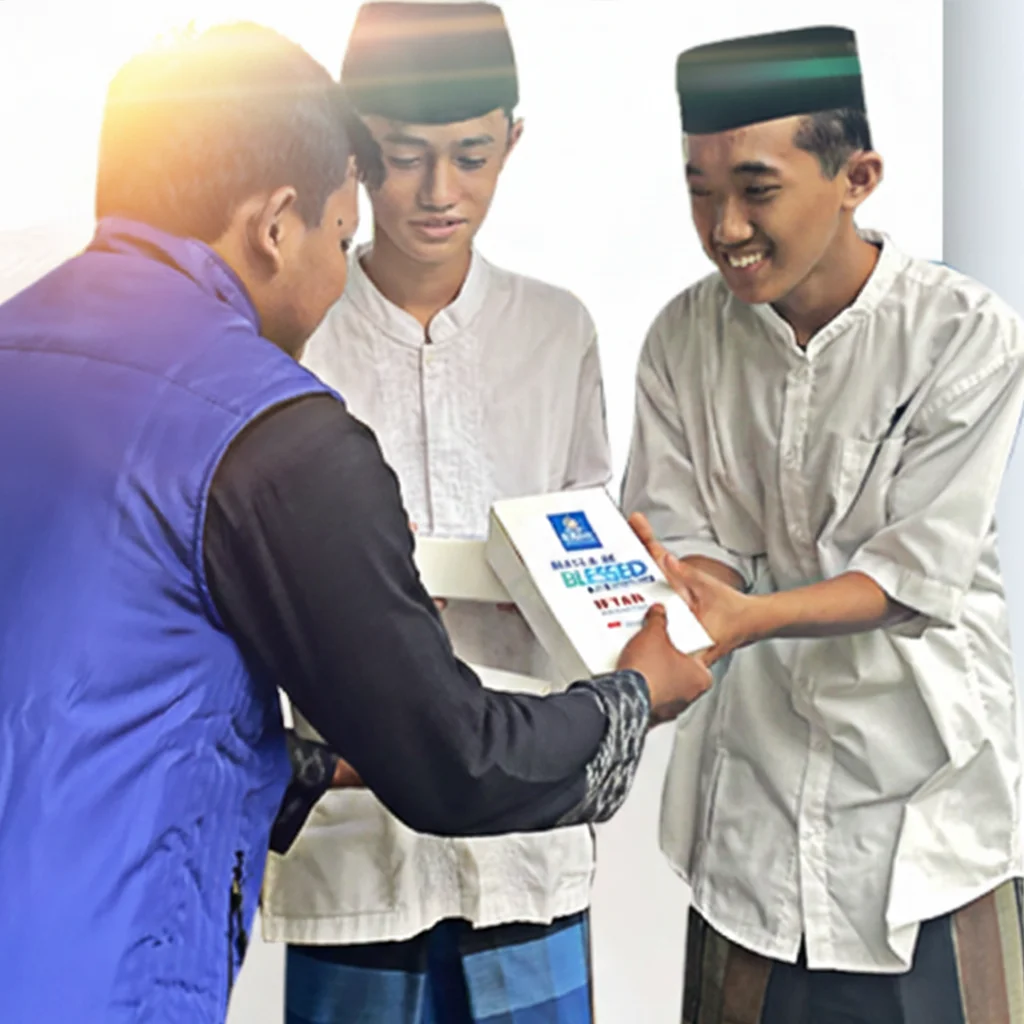
The Food Security and Livelihood (FSL) project focuses on empowering small-scale farmers in Indonesia by improving access to finance, technology, training, and markets. Through climate-smart agricultural practices, zero-interest micro-credit, mentorship, and digital market platforms, the project aims to enhance productivity, strengthen resilience, improve food security, and reduce poverty in rural communities.
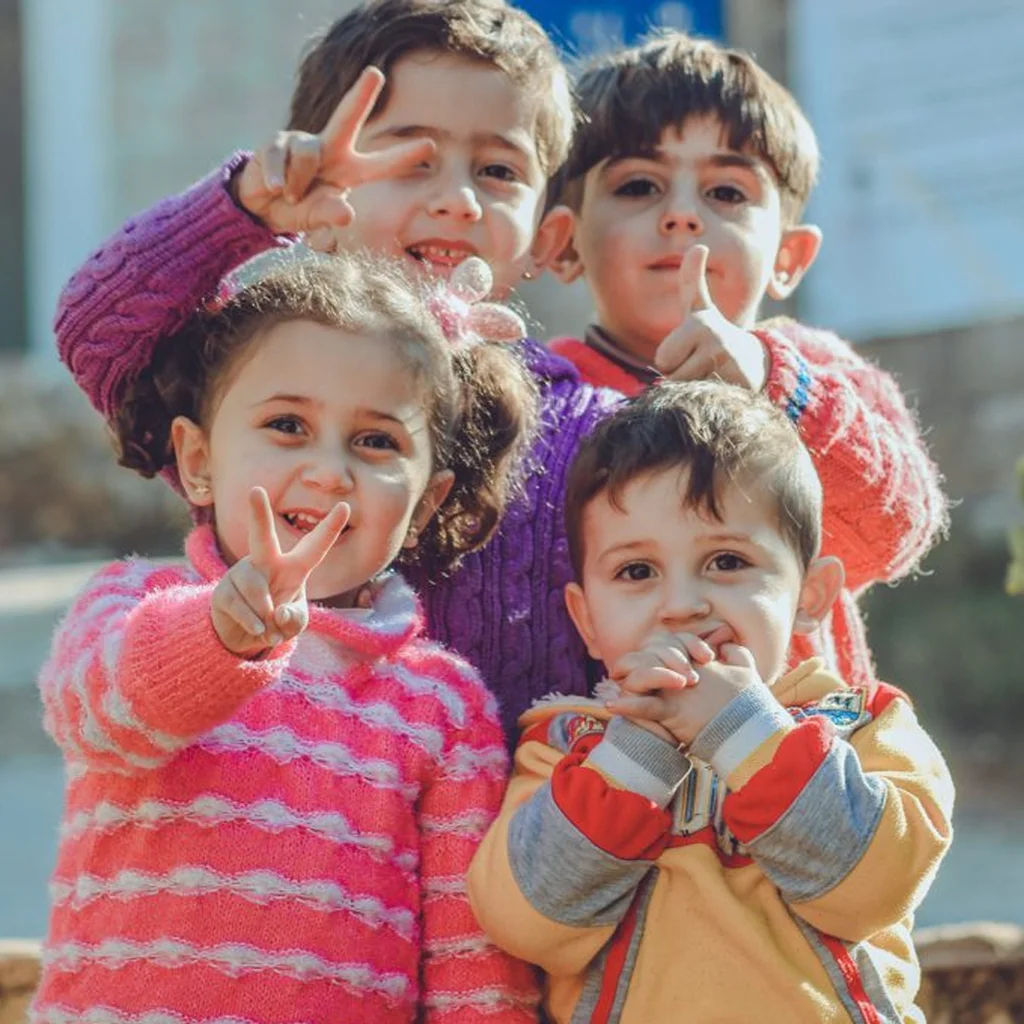
The Orphans and Widows program supports some of the most vulnerable members of society by providing essential needs such as food, shelter, education, and healthcare. The program aims to restore dignity, stability, and hope for orphans and widows affected by poverty, conflict, and hardship.
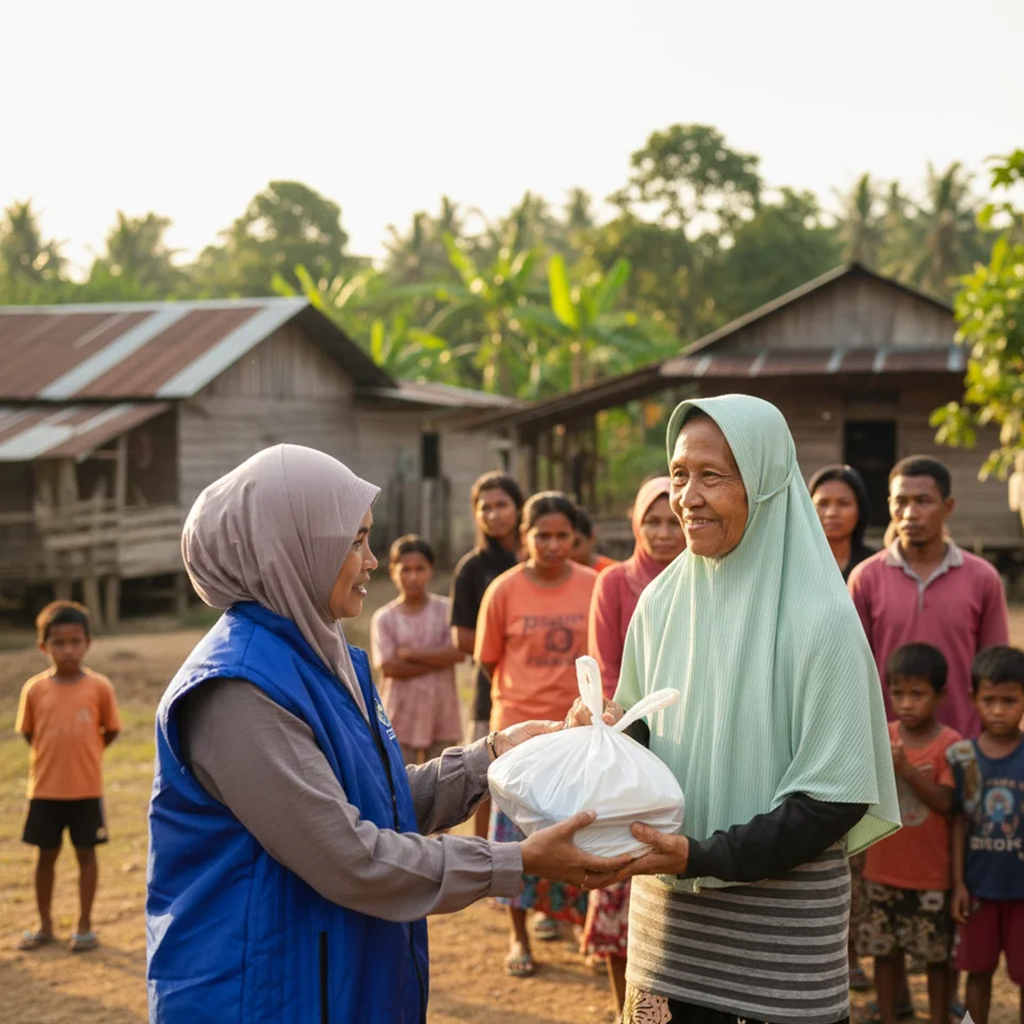
MSMEs are the backbone of Indonesia’s economy, contributing the majority of employment and over half of GDP. Despite their importance, many MSME owners face challenges in capital, digital skills, and market access. The project empowers MSMEs and small-scale farmers through micro-finance, digital training, and market linkage, fostering sustainable growth, job creation, food security, and economic inclusion.